Rome in 1, 2 or 3 Days: Itineraries by Day and How Much Time You Really Need
“How many days do I need in Rome?” is the question that breaks half of all trips: some try to fit everything into a day and end up exhausted, others don’t know what to do with the third. Here’s the honest version: what you can realistically do in 1, 2 and 3 days, in what order, and what’s better left for later.
In short: how many days to allow
- 1 day
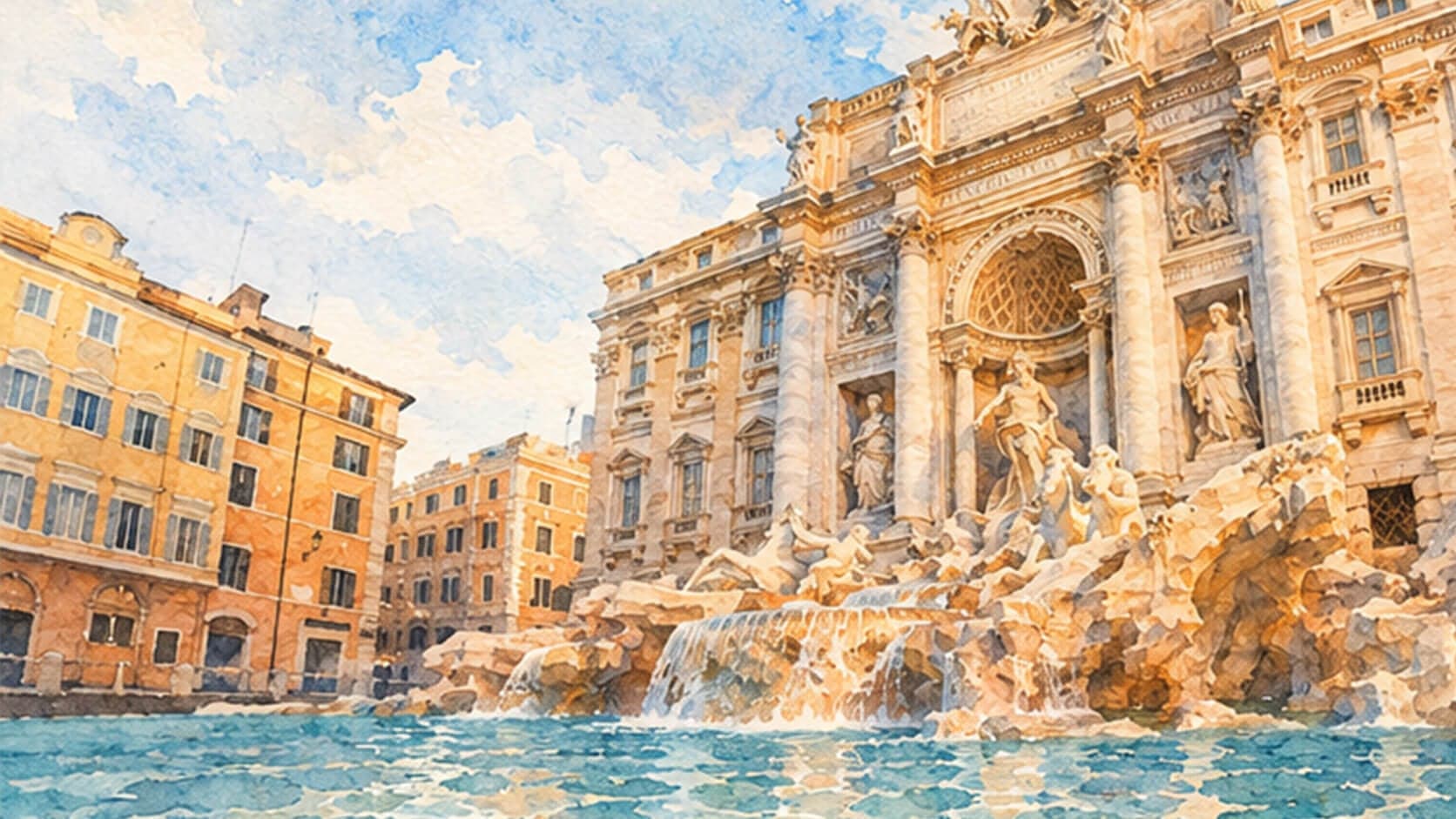
- The “highlights” only: the ancient centre (Colosseum and forums) plus the baroque centre (Pantheon, Navona, the Trevi Fountain — from 2026 the close-up basin is €2; free from the square). Tight, no museums in depth.
- 2 days
- The comfortable minimum: a day for ancient Rome, a day for the Vatican and the centre. The sweet spot for a first visit.
- 3 days
- Rome unhurried: add a gallery (Borghese), underground Rome, or the surroundings (Tivoli, the Castelli Romani).
- Distances
- Rome is compact: the centre is walkable, but there are distances between the Vatican, the ancient centre and the villas; allow for the metro (lines A and B) or a transfer.
- Booking
- Book the Colosseum and Vatican ahead: named slots, sold out days in advance in peak.
Rome in 1 day: the itinerary
One day is a choice of “highlights”, not depth. A realistic route:
- Morning
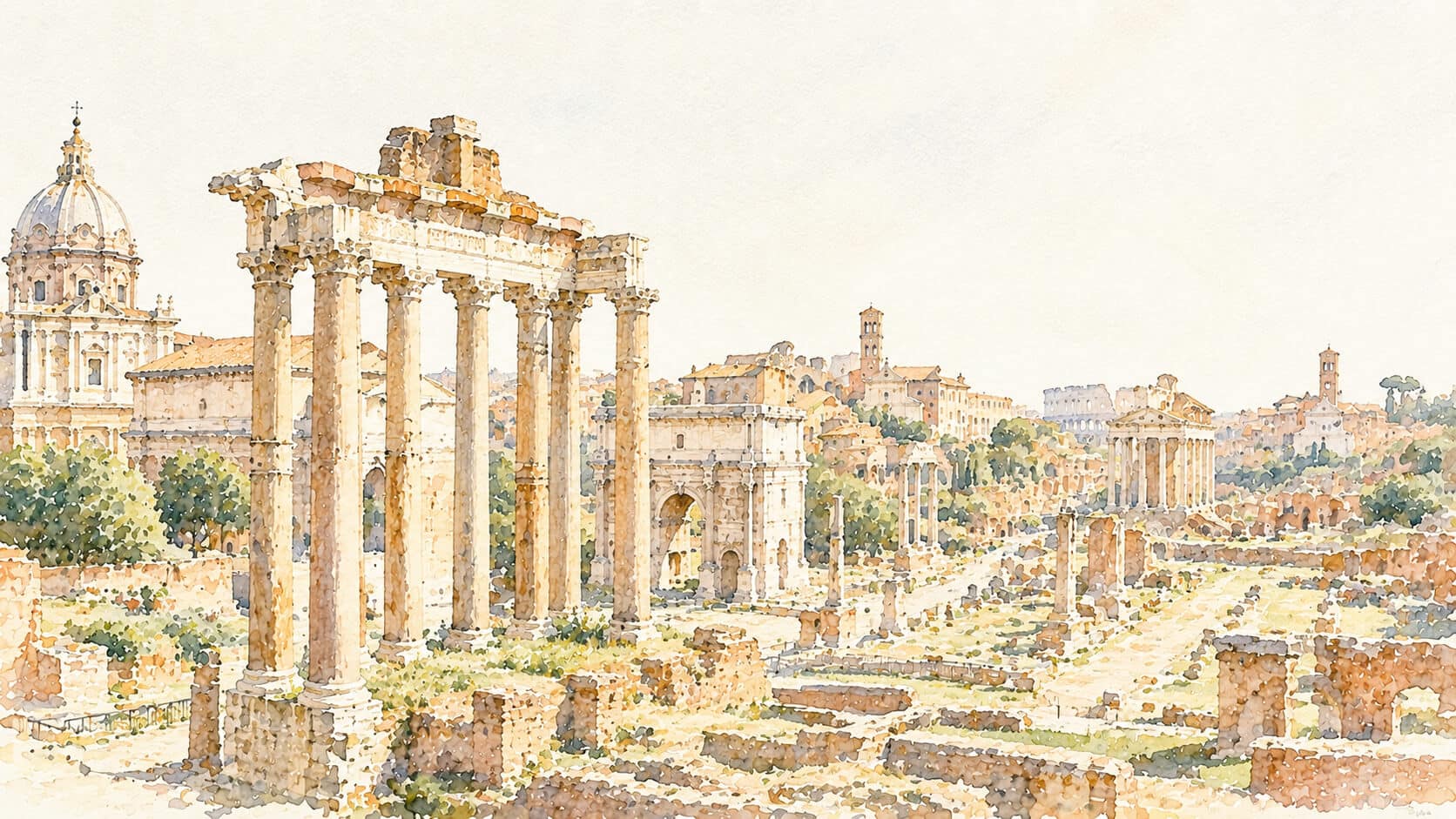
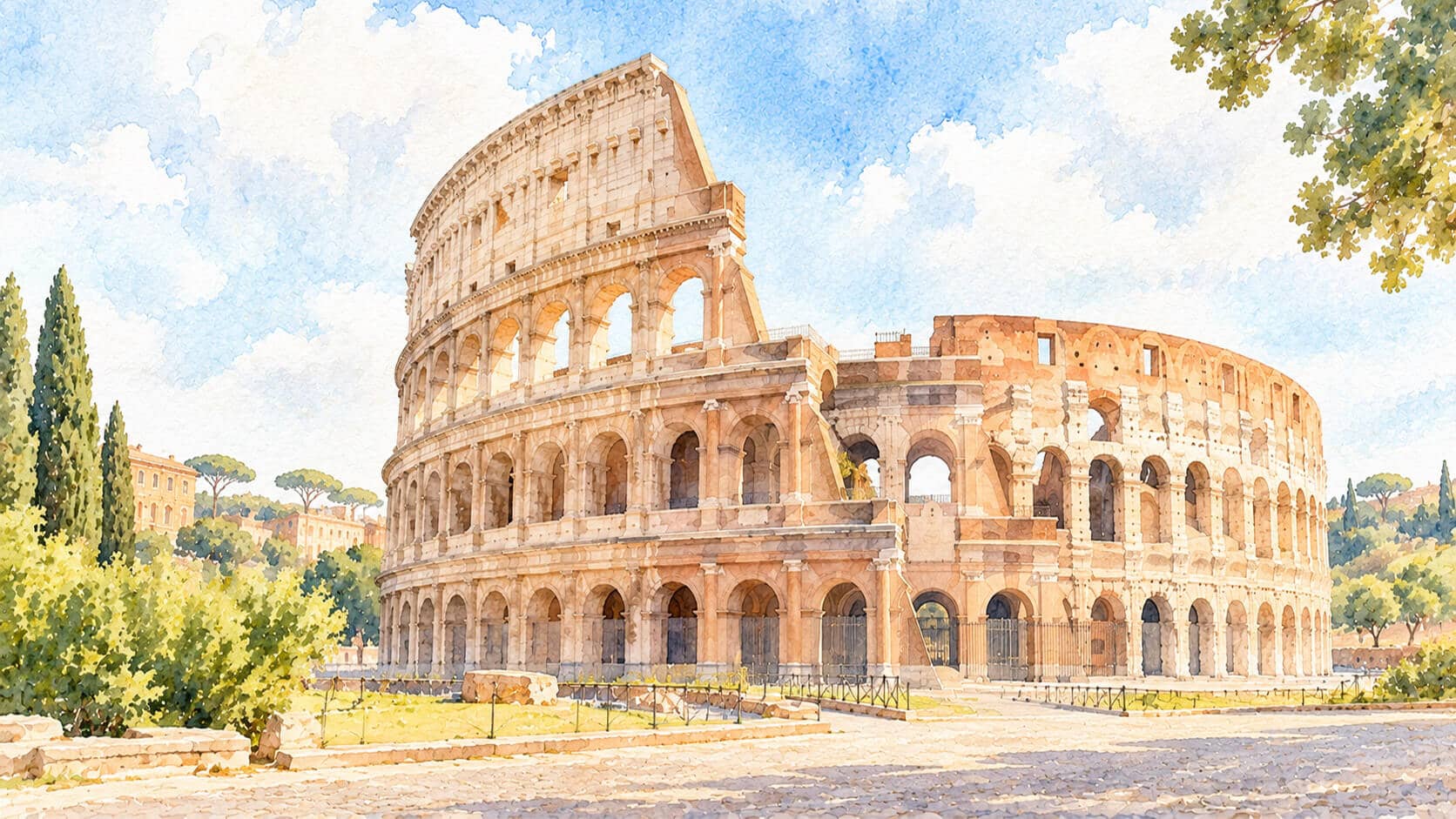
- Ancient Rome: the Colosseum (booked, at opening, before the crowds), the Roman Forum and Palatine.
- Midday
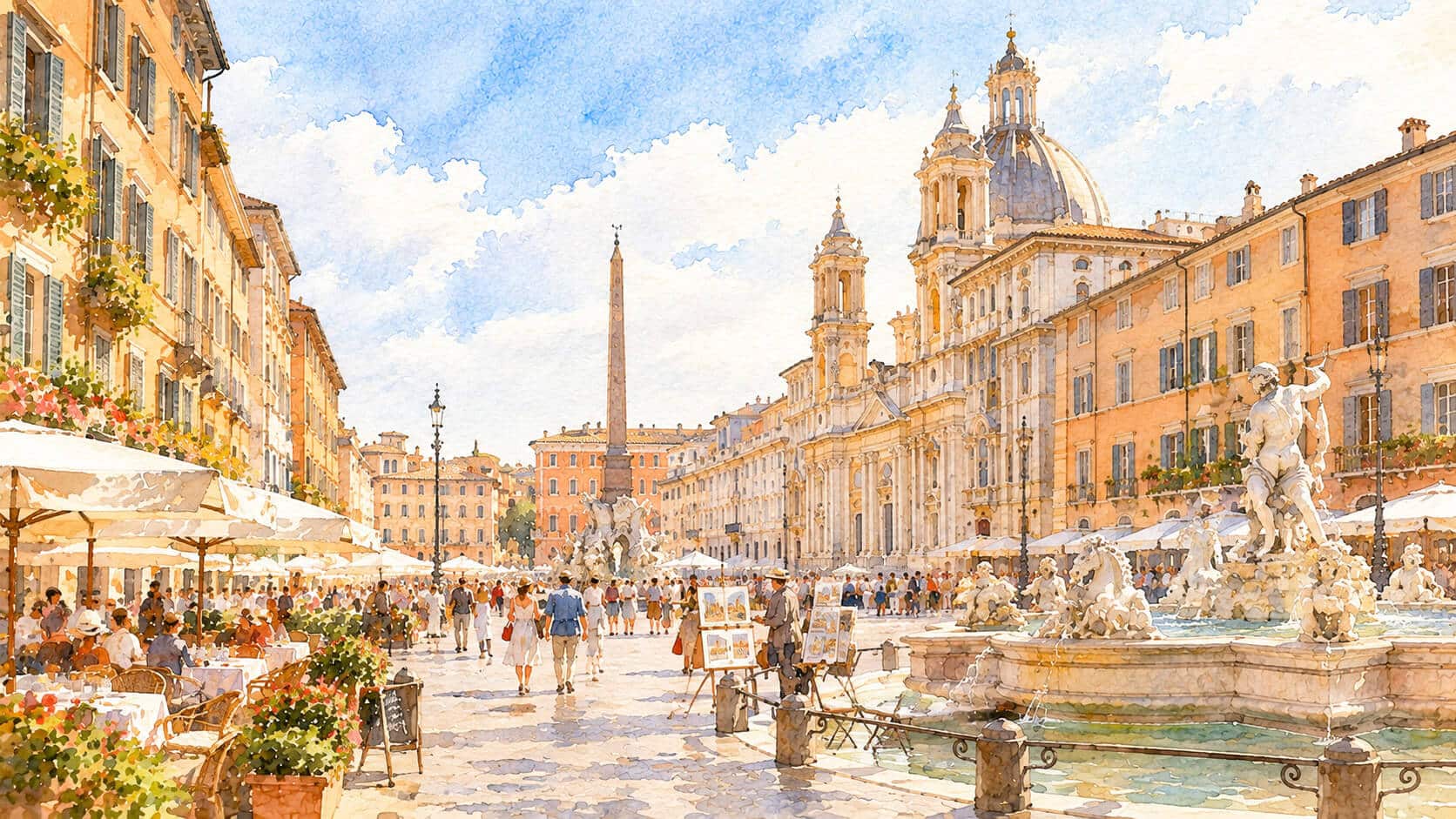
- On foot to the baroque centre: Piazza Venezia and the Vittoriano, the Pantheon, Piazza Navona.
- Evening
- The Trevi Fountain (from 2026 the close-up basin is €2, free from the square) and the Spanish Steps, dinner in the centre.
What to skip: the Vatican (that’s a separate half-day at least), museums and galleries in depth. In a day you honestly get to “see Rome from the outside”, which is fine for a first touch or for cruise guests. How to build such a day without the rush is our full-day tour.
Rome in 2 days: the itinerary
Two days is the sweet spot for a first visit: the city opens up rather than flashing past.
- Day 1
- Ancient Rome: the Colosseum with the arena and the forums in the morning, the Capitoline with its panorama, then the baroque centre (Pantheon, Navona, Trevi — from 2026 the close-up basin is €2, free from the square).
- Day 2
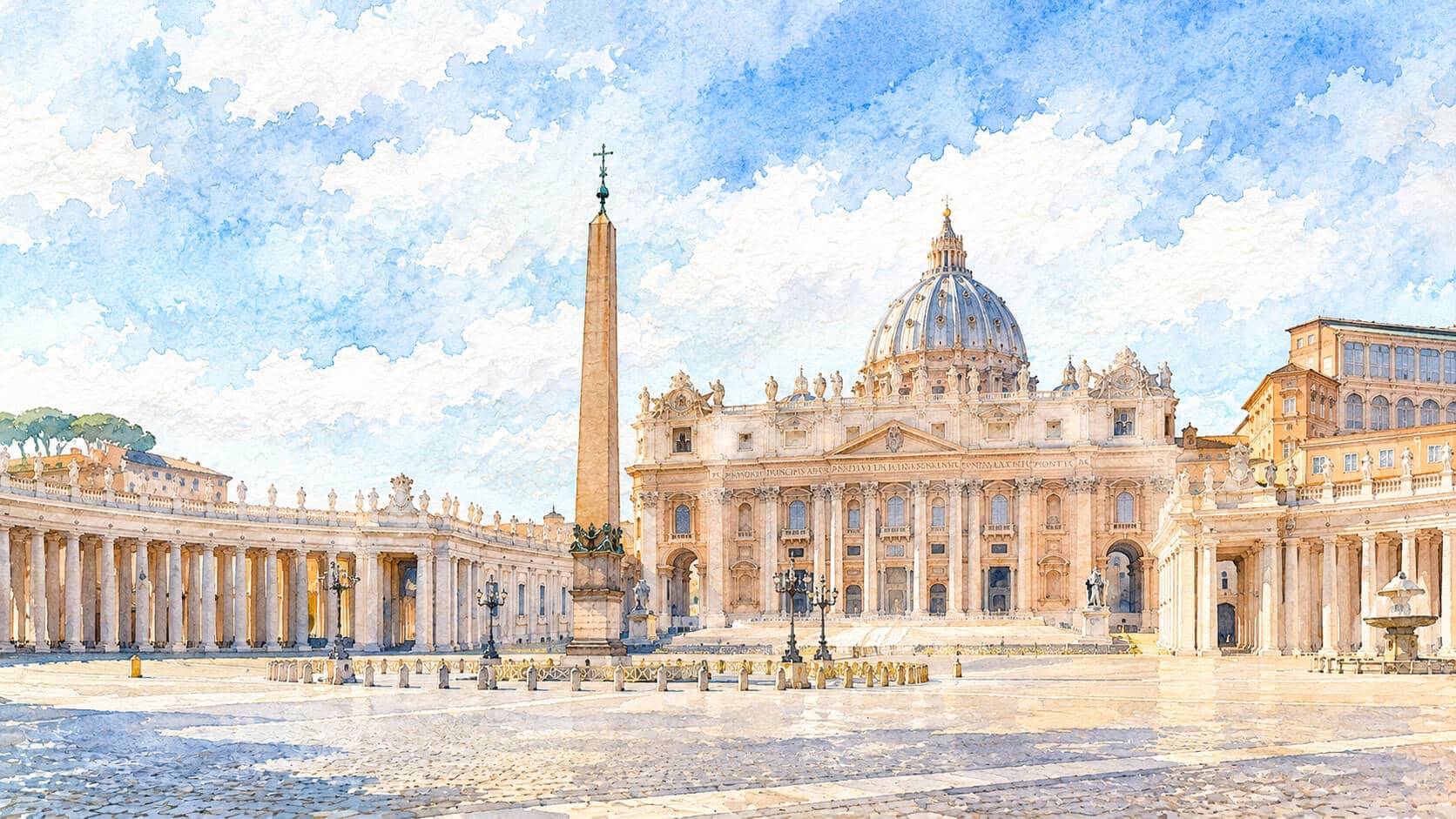
- The Vatican and the centre: the Vatican Museums and Sistine Chapel (booked, better in the morning; Wednesday is the papal audience, plan otherwise), St Peter’s Basilica, then Trastevere or the Spanish Steps towards evening.
This rhythm covers antiquity, the Vatican and the baroque without feeling like a race.
Rome in 3 days: the itinerary
Three days is Rome unhurried, with room for what makes the city deep.
- Day 1
- Ancient Rome (Colosseum, forums, Palatine, Capitoline).
- Day 2
- The Vatican and the baroque centre.
- Day 3
- Your choice: the Borghese Gallery (Bernini and Caravaggio, entry strictly in 2-hour slots), underground Rome (catacombs and multi-level basilicas), or a day in the country (Tivoli with its UNESCO villas, or the Castelli Romani with lakes and a tasting).
The third day is the shift from ticking boxes to pleasure: fewer kilometres, more meaning.
Getting around
Rome’s centre is compact, and the ancient and baroque are linked on foot. But the Vatican, Borghese and the surroundings are at a distance. Options: the metro (lines A and B, a single ticket €1.50 for 100 minutes) for quick hops; walking in the centre; a private driver if time is short or walking far is hard. Don’t drive into the centre: it’s a limited-traffic zone (ZTL) with camera fines.
What to book ahead
- The Colosseum
- A named, timed ticket, booking required; in peak the slots go 2–3 days out.
- The Vatican
- Booking online saves a lot of time; Wednesday is taken by the audience.
- The Borghese
- Entry strictly in 2-hour sessions, tickets limited, taken ahead.
For tickets and prices in detail, see our separate piece on Colosseum and Vatican tickets and our Rome Visitor Centre.
What it means in practice
The main mistake is trying to “do everything”: Rome punishes haste with queues and fatigue. It’s wiser to choose depth to suit your number of days and to clear the bottlenecks in advance (slots, logistics). If you’d rather skip the planning, we build the route around your days: a full day in Rome, ancient Rome, the Vatican, or a programme over several days.
Frequently asked
How many days do you need in Rome?
The comfortable minimum is 2 days (one for ancient Rome, one for the Vatican and the centre). In 1 day you only manage the “highlights” from outside; 3 days let you add a gallery, underground Rome or the surroundings.
What can you see in Rome in one day?
The Colosseum and forums in the morning (booked), then the centre on foot: the Pantheon, Piazza Navona, the Trevi Fountain (from 2026 the close-up basin is €2, free from the square). The Vatican can’t be combined the same day — it’s a separate half-day.
Is 3 days enough for Rome?
Yes, it’s comfortable for the city: day 1 ancient Rome, day 2 the Vatican and the centre, day 3 the Borghese Gallery, underground Rome or the surroundings (Tivoli, the Castelli Romani).
Can you see the Colosseum and the Vatican in one day?
Technically yes, but it’s a hard slog with two big bookings back to back. Better to split them over two days — the experience is quite different.
Do you need transport in Rome or is it all on foot?
The centre is walkable. For the Vatican, Borghese and the surroundings — the metro (lines A and B, €1.50) or a transfer. You can’t drive into the centre: it’s a limited-traffic zone.
What should I book ahead?
The Colosseum (a named slot) and the Vatican — essential; the Borghese — 2-hour sessions, limited tickets. In peak it all goes days ahead.
In what order should I see Rome?
Logically: antiquity first (Colosseum, forums), then the Vatican, with the baroque centre in between. That way the eras fall into a clear picture rather than chaos.
Rome isn’t about “fitting it in” but about understanding. Choose depth to suit your days, clear the queues and logistics in advance, and the city gives you more in two calm days than in one spent in a panic. Planning a trip? Look in the Rome Visitor Centre or write to us and we’ll build a route to fit your exact dates.